Hands, Mountains, and Sea: Living Traditions of the Alpine‑Adriatic
Journey into the artisanal craft heritage of the Alpine‑Adriatic corridor—woodcarving, ceramics, and textiles—connecting snow‑brushed peaks with salt‑washed harbors. We explore how makers shape wood, earth, and fiber into beauty that carries local memory and shared futures. Discover workshops, materials, and stories across borders, then join the conversation by sharing your encounters, questions, and favorite pieces that keep these living skills thriving with dignity, sustainability, and joy.

Carving Quiet Light from Mountain Wood

Across high valleys and forested passes, carvers turn linden, stone pine, and maple into figures that glow with patient light. Their benches face windows that catch crisp mornings, their tools reflect generations of touch, and their stories stitch Carinthia, Slovenia, Friuli, and the Dolomites together. Read on to feel the cadence of gouges, the resin’s scent, and the small rituals that protect both forests and families who rely on respectful, enduring craftsmanship.

Earth, Water, Fire: Clay Stories Along Border Rivers
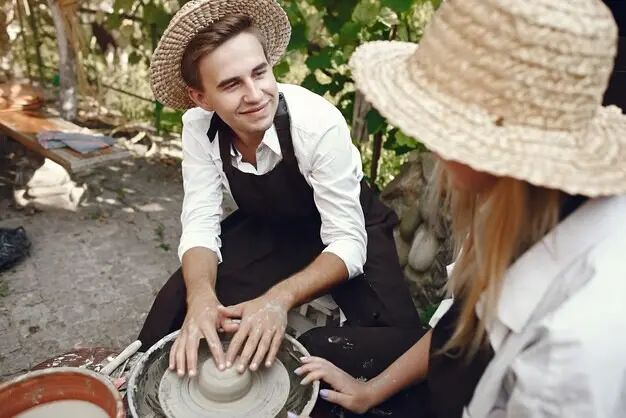
From limestone karst and glacial valleys to wide riverbeds feeding the northern Adriatic, clay travels in humble buckets and returns as vessels, tiles, and luminous tableware. Potters compare glazes at markets that span languages, swapping kiln tricks over coffee and rain forecasts. They test local sands, feldspars, and plant ashes for subtle hues, ensuring durable, lead‑free finishes that respect health and heritage while welcoming contemporary forms shaped for today’s tables and tomorrow’s heirlooms.

Clay Bodies and Local Minerals

Regional clays carry iron freckles, chalky coolness, or silky plasticity, each responding differently to pressure and flame. Makers blend riverbed silt with mountain fireclay, tempering with grog for strength. A handful of local sand tweaks shrinkage and sheen. The wheel rewards patience; hand‑building slows breath. After bisque, slips and glazes reveal themselves like dawn over ridgelines, and firing schedules become quietly negotiated pacts between memory, pyrometer, woodpile, and stubborn crosswinds from the sea.

Majolica, Slip, and Salt: Regional Surfaces

Bright majolica blooms with vines and birds learned from grandparents, while slip‑trailed lines recall winter stitches on wool. Some kilns still whisper of salt, though many now chase safer, gentler surfaces using ash, soda, or satin matte recipes. Along market streets, jugs from one valley greet bowls from another, motifs echoing across borders. The conversation becomes visible on cups, where a blue borrowed in the morning returns home by evening, slightly changed.

Threads, Looms, and Sea Winds

Sheep graze alpine meadows while flax and hemp remember breezes from stone‑walled fields nearer the coast. On looms that creak like old piers, warp meets weft to clothe workdays and festivals. Lace pillows rustle in side streets where bobbins dance; felt takes shape near steaming kettles; and sturdy linens dry in sudden bora gusts. Textiles carry touch, scent, and weather, protecting bodies, framing tables, and announcing kinship through patterns learned, shared, and carefully reimagined.
Mountain wool remembers frost, giving warmth and bounce for fulled coats and blankets; flax’s cool shine loves summer kitchens; hemp brings durable strength to bags and ropes. Spinners test twist by instinct, listening to a faint hum between fingers. Skeins dip into soaps made from wood ash; skeins dry on balconies facing gulls or peaks. Each fiber holds a different memory of slope, soil, and wind, then surrenders gracefully to hand and loom.
Bobbin lace patterns carry whispers from market days when girls learned by watching aunties, numbering pins like prayers. Weaves shift from twills to herringbones as towns change dialects, while felted slippers warm stone floors after snowy errands. Techniques cross borders tucked in baskets, notebooks, and song. New designers sketch with respect, aligning old repeats to modern silhouettes so that shawls, runners, and jackets breathe tradition without freezing it, ready for lives that keep moving.
In a small Carnic workshop, jars labeled woad, madder, and walnut line shelves beside rainwater carboys. The dyer tests onion skins for gold over iron‑mordanted linen, records times, and hums through simmering patience. Colors emerge like cloud breaks, shifting with mineral traces and pot material. A weaver visiting from the coast adds seaweed‑washed wool to an experiment, and suddenly a blue‑green appears that feels both alpine shadow and harbor depth, perfectly in between.

Motifs at a Crossroads of Languages

Curves, Angles, and Flourishes in Dialogue

Rounded petals join angular chevrons while slender vines curl around geometric ladders, blending sensibilities shaped by mountains and sea lanes. In one carving you notice a vine that later reappears as a delicate lace path; a ceramic bowl answers with the same rhythm. This dialogue grows by listening: makers compare sketches, elders point to roof beams, and children trace patterns on fogged windows, preparing new hands to keep the conversation generous and precise.

Marks of Makers and Quiet Guild Memories

Rounded petals join angular chevrons while slender vines curl around geometric ladders, blending sensibilities shaped by mountains and sea lanes. In one carving you notice a vine that later reappears as a delicate lace path; a ceramic bowl answers with the same rhythm. This dialogue grows by listening: makers compare sketches, elders point to roof beams, and children trace patterns on fogged windows, preparing new hands to keep the conversation generous and precise.

The Journey of a Pattern

Rounded petals join angular chevrons while slender vines curl around geometric ladders, blending sensibilities shaped by mountains and sea lanes. In one carving you notice a vine that later reappears as a delicate lace path; a ceramic bowl answers with the same rhythm. This dialogue grows by listening: makers compare sketches, elders point to roof beams, and children trace patterns on fogged windows, preparing new hands to keep the conversation generous and precise.

Revival with Roots: Learning, Earning, and Stewardship
Younger makers pair mentorship with experimentation, forming cooperatives that value fair pricing and traceable materials. Forest plans favor mixed ages and careful harvests; clay digs avoid scars; wool routes support small farms. Cross‑border workshops funded by regional initiatives help apprentices learn business skills alongside chisels and shuttles. Visitors join respectfully, booking lessons that match their pace while supporting communities year‑round. Revival becomes a circle: knowledge shared, landscapes cared for, and livelihoods protected with pride.

Collect, Care, and Create at Home

Spotting Quality without a Microscope

Look for confident edges where carvers exit cuts cleanly, not fuzzy. On bowls, peer under the foot for a maker’s mark and even glaze; hairline cracks often hide in noisy lighting, so step outside. Textiles should feel balanced, selvedges tidy, and seams honest. Ask about repair options before purchasing. A trustworthy maker welcomes curiosity, shows process photos, and names wood species, glaze type, or fiber source without hedging, helping you buy once and keep forever.

Caring for Wood, Ceramics, and Textiles

Use mild soap and soft brushes, never soaking wood; refresh with a whisper of food‑safe oil. For ceramics, avoid sudden temperature shocks; stack with felt pads. Air wool after wear; wash sparingly in cool water; banish moths with clean closets and cedar. Sunshine is friend and foe—brief, gentle light revives, longer blasts fade colors. Keep notes about care, then pass them with pieces so future hands inherit not just objects but wise routines.

Try a Small Project and Tell Us How It Went

Carve a simple butter spreader from a green branch, practicing safe grips and patient drying. Pinch a cup from a tennis‑ball lump of clay, noticing cracks and how water fixes edges. Weave a bookmark on a cardboard loom, testing tension. Photograph your steps, list lessons learned, and share with us so makers can cheer you on, suggest fixes, and maybe invite you to the valley, studio, or harbor where your curiosity truly belongs.
Dexopentovaropalovexokaro
Privacy Overview

This website uses cookies so that we can provide you with the best user experience possible. Cookie information is stored in your browser and performs functions such as recognising you when you return to our website and helping our team to understand which sections of the website you find most interesting and useful.